Reviewing Zebra Embroidery for Real Projects
When I pull up a new machine embroidery design in my digitizing software, I am not just looking at lines on a screen. I am visualizing the needle hitting the fabric, the tension of the thread, and the final texture of the finished product. Recently, I spent some time evaluating Zebra Embroidery, a charming addition to the Baby Animals category. This is not just about whether the zebra looks cute; it is about whether this embroidery file holds up under the scrutiny of a paying customer or the wear and tear of daily use.
First Impressions and Visual Personality
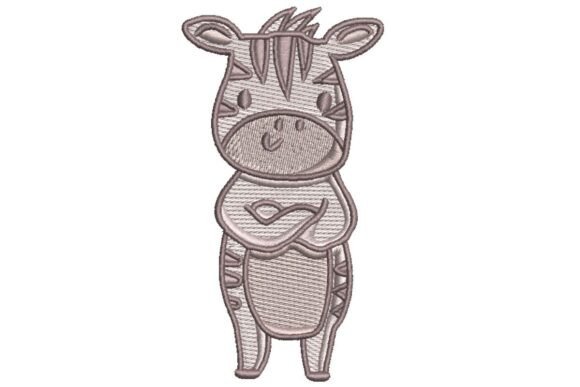
The first thing that strikes you about this design is its posture. The zebra stands with a playful yet confident pose, which immediately sets a tone of whimsy without sacrificing clarity. For an embroidery project intended for children’s clothing or nursery decor, this balance is crucial. You do not want something so complex that it loses definition after a few washes, nor something so simple that it looks amateurish.
The layout feels organic. The lines flow well, suggesting that the digitizer considered how the satin stitch and fill stitch areas would interact. In my experience, animal designs can often suffer from "muddy" details if the black and white stripes are too close together. Here, the spacing appears thoughtful, allowing each stripe to breathe. This attention to detail is what separates a generic digital embroidery file from a professional-grade design asset.
Real-World Application: The Custom Tote Test
To truly understand the value of this design, I imagined applying it to a real-world scenario. Let us say you are an Etsy seller preparing a batch of custom canvas tote bags for a local boutique. You choose Zebra Embroidery as the central motif. Why does this work?
Canvas has a distinct fabric texture that can sometimes swallow fine details. However, because this zebra features bold, confident lines, it translates beautifully onto heavier materials. The contrast between the dark stripes and the light background of the zebra (or vice versa, depending on your thread colors) creates a striking visual impact. It is not just a handmade product; it becomes a statement piece. A customer walking into a shop is more likely to pick up a bag with a clear, high-quality embroidered character than one with a vague, pixelated shape.
Versatility Across Product Lines
Beyond tote bags, this design shines in several other areas relevant to small business owners and crafters:
- Sweatshirt embroidery: The playful nature fits perfectly on the chest of a child’s hoodie or the back of an adult’s cozy crewneck.
- Baby embroidery: As part of the Baby Animals theme, it is ideal for onesies or bibs, provided the scale is adjusted correctly.
- Embroidered patch: This design could easily be stitched out on twill and cut as a patch for jackets or backpacks, adding durability and versatility.
- Nursery decorations: Stitched onto a pillow cover or a wall hanging, it adds a soft, tactile element to a child’s room.
Technical Considerations for the Designer
While the aesthetic appeal is strong, practical execution requires careful planning. If you are using this as a commercial embroidery asset, you must consider the technical constraints of your machine and materials.
Stitch density is a critical factor. Animal designs with alternating colors can become dense quickly. If the density is too high, the fabric may pucker, especially on thinner materials like cotton jersey. I recommend testing this design on scrap fabric first. Pay close attention to how the transition between the black and white threads behaves. If you see pulling or distortion, you may need to adjust your stabilizer or reduce the density slightly in your software if you have editing capabilities.
Another key consideration is the hoop size. Ensure that the design fits comfortably within your hoop with adequate margin for stabilization. Do not push the design to the very edge of the hoop, as this can lead to hooping marks or uneven stitching tension.
Fabric and Color Challenges
Using this design on dark fabric requires strategy. If you are stitching a white zebra on a navy sweatshirt, you will need a solid underlay to prevent the dark fabric from showing through the lighter thread colors. Conversely, if you are stitching on light fabric, ensure your black thread is high-quality and does not fray, as fraying black thread can look messy against a white background.
For stretchy fabrics, such as those used in custom apparel like t-shirts, a cut-away stabilizer is non-negotiable. The weight of the embroidery needs support to maintain its shape after washing. Without proper stabilization, even the best applique design or filled design can distort over time.
Enhancing Brand Value and Customer Trust
For creative entrepreneurs, the choice of design directly impacts brand perception. Using a well-digitized machine embroidery design like Zebra Embroidery signals professionalism. It shows that you care about quality. When a customer receives a personalized gift featuring crisp, clean stitching, their trust in your craft business grows. They are more likely to return for future purchases, such as holiday embroidery items or birthday gifts.
Moreover, this design works well in printable mockup previews. Because the shape is distinct and recognizable, it photographs well. Clear, attractive images drive engagement on platforms like Etsy or Instagram. A blurry or poorly stitched preview will not convert browsers into buyers, but a sharp, vibrant zebra will catch the eye.
Practical Designer Notes
Before you commit to production, keep these practical tips in mind:
- Test on scrap fabric: Always run a test stitch-out on the same type of fabric you plan to use for the final product. This helps you identify any issues with tension or density.
- Check thread color contrast: Ensure your thread colors provide enough contrast for the stripes to be visible. Sometimes, a slight shade variation can make a big difference in definition.
- Review stitch density: Look at the stitch count relative to the size. If it seems excessively dense for the area, consider adjusting your stabilizer or testing on a stiffer fabric.
- Confirm licensing: Before selling finished items or digital products, always check the license terms associated with the embroidery file. Ensure you have the right to use it for commercial purposes.
- Inspect small details: Zoom in on the eyes and hooves. These small areas often reveal the quality of the digitizing. Clean, closed shapes here indicate a high-quality file.
In conclusion, Zebra Embroidery is a versatile and appealing choice for a wide range of projects. From tote bag design to baby embroidery, it offers a blend of charm and technical reliability. By understanding its strengths and respecting its technical requirements, you can create stunning small shop product listings that resonate with customers and stand the test of time. Whether you are a hobbyist making a holiday gift or a professional managing a large order, this design deserves a spot in your library of trusted design assets.