Review: Baby Cow Embroidery Design for Small Business Merch
As an embroidery designer who has spent years digitizing and reviewing files for commercial use, I approach every new machine embroidery design with a critical eye. It is not just about whether the image looks cute on a screen; it is about how that design translates to fabric, withstands wear, and elevates a brand. Recently, I evaluated the Baby Cow Embroidery Design, a digital asset marketed toward those creating handmade products and branded merchandise. For small business owners, Etsy sellers, and apparel decorators, understanding the practical application of such a file is crucial before committing to production.
First Impressions and Visual Personality
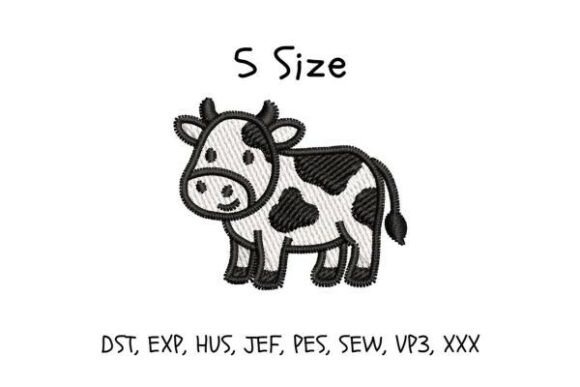
The initial appeal of the Baby Cow Embroidery Design lies in its inherent charm. Situated within the Baby Animals category, this design naturally evokes feelings of warmth, friendliness, and rustic comfort. For brands operating in the bakery, florist, pet care, or boutique retail sectors, this visual personality is a powerful tool. It does not scream corporate rigidity; instead, it offers a soft, approachable aesthetic that can humanize a brand. However, from a technical standpoint, the description notes that it comes in five sizes as an instant download file. This versatility is essential, but the true test is how the digitization handles the transition from large hoop applications to tiny patch details.
Strategic Applications for Small Business Merch
When considering where to place this design, we must look beyond simple decoration. The Baby Cow Embroidery Design serves as a versatile asset for various small business merch strategies. Here is how it performs across different product lines:
- Embroidered Patches: This is perhaps the strongest use case. A well-digitized cow motif works beautifully as an iron-on or sew-on patch for denim jackets, canvas bags, or hats. It allows customers to buy a standalone accessory that represents your brand without committing to a full garment.
- Staff Uniforms and Aprons: For cafés, bakeries, or farm-to-table restaurants, placing this design on the chest pocket of an apron embroidery project adds a touch of whimsy. It reinforces the brand’s connection to nature or artisanal quality while maintaining professionalism.
- Cap Embroidery: Using the smallest size provided in the download, this design can serve as a subtle side-panel accent or a front-center logo on dad hats. However, curvature is a challenge here, requiring precise placement.
- Tote Bag Design: Canvas totes are a staple for handmade brands. The Baby Cow Embroidery Design can be scaled up to create a bold central graphic, turning a simple bag into a statement piece that customers will use daily, effectively becoming walking advertisements.
Technical Considerations and Fabric Compatibility
The product description wisely advises users to "ensure proper stabilization is used to achieve a beautiful and flat finish." This is not merely a suggestion; it is a requirement for professional results. When working with this digital embroidery file, the choice of stabilizer will dictate the quality of the finished product. On stretchy fabrics like jersey tees, a cut-away stabilizer is non-negotiable to prevent puckering. On woven fabrics like twill or canvas, a tear-away may suffice, but testing is key.
Furthermore, thread colors play a massive role in the legibility of the design. A baby cow motif likely relies on subtle shading or distinct outlines. If you are embroidering on dark uniforms, you must ensure there is enough contrast. A light-colored thread on a navy apron will pop, but if the design lacks sufficient density, the fabric background might show through, muddying the image. Always run a test stitch-out on the actual fabric you intend to use, not just a similar scrap.
Brand Identity and Customer Trust
Incorporating the Baby Cow Embroidery Design into your lineup does more than add visual interest; it strengthens your brand identity. Consistency in visual assets builds trust. If your brand values sustainability, kindness, or handmade quality, this imagery aligns perfectly. Customers perceive embroidered items as higher value than printed ones. The texture of the thread adds a tactile dimension that enhances the perceived quality of your custom apparel and accessories. This perception of quality can justify higher price points and increase customer loyalty.
Where to Exercise Caution
While versatile, this design is not without its limitations. Designers must be careful when scaling down to very small hoop size dimensions. Fine details can get lost if the stitch count is too low for the size, resulting in a blob rather than a recognizable cow. Additionally, avoid using this design on highly textured fabrics where the stitches might sink into the pile, obscuring the outline. For items that undergo frequent industrial washing, such as restaurant uniforms, ensure the digitizing includes proper tie-offs and underlay to prevent unraveling over time.
Practical Designer Notes for Production
Before launching a product line featuring this Embroidery asset, follow these professional steps to ensure success:
- Test in Monochrome: Stitch the design out in black thread on white fabric first. This reveals the structural integrity of the digitizing without the distraction of color. If it looks good in black and white, it will look good in color.
- Check Commercial Licensing: The description mentions it is an instant download, but always verify the license terms. Ensure you have the right to use the design assets for commercial sales, especially if you are selling the physical embroidered items rather than just the digital file.
- Create Printable Mockups: Before stitching a single thread, use a printable mockup to visualize how the design sits on your specific product template. This saves time and materials.
- Evaluate Stitch Density: Check if the design is too dense for lightweight fabrics. High density can cause perforation or stiffness, which is undesirable for comfortable wearables.
- Confirm File Formats: Since the product offers five sizes, ensure your machine reads the specific format provided (such as PES, DST, or JEF). Do not assume compatibility; check the file extensions included in the zip folder.
In conclusion, the Baby Cow Embroidery Design is a strong contender for businesses looking to add a friendly, rustic touch to their merchandise. Whether used for commercial embroidery on staff uniforms or as a charming detail on handmade gifts, its success depends on thoughtful application and rigorous testing. By respecting the technical requirements of stabilization and fabric choice, small business owners can transform this digital file into a tangible asset that drives engagement and sales.