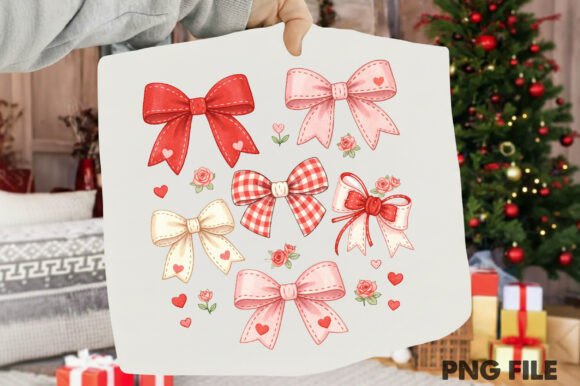
Review: Valentine’s Day Embroidery Clipart for Makers
As a designer who has spent countless hours digitizing patterns and testing stitch-outs on various fabrics, I approach every new graphic asset with a critical eye. We often see Valentine s Day Embroidery Clipart marketed broadly, but not all digital assets translate well to the needle and thread. When I first pulled up these files, my immediate concern was their intended use case. The product description explicitly states that these are PNG files designed for sublimation or printing, not vector-based SVGs or native embroidery formats. This distinction is crucial for anyone looking to create high-quality handmade products.
For those of us in the craft industry, understanding the difference between a printable graphic and an embroidery file is the first step toward professional results. These Illustrations and Graphics serve a specific purpose in the design workflow, particularly for those who blend techniques. If you are planning to sublimate a design onto a polyester blend shirt before adding embroidered accents, this clipart could be a valuable component of your design assets. However, if you intend to feed this directly into your embroidery software expecting automatic digitization, you may face challenges regarding stitch clarity and density control.
Visual Appeal and Design Mood
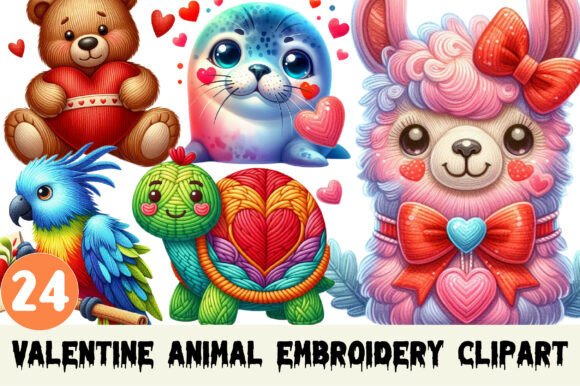
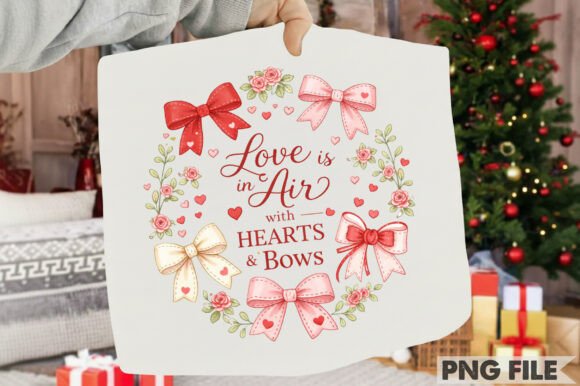
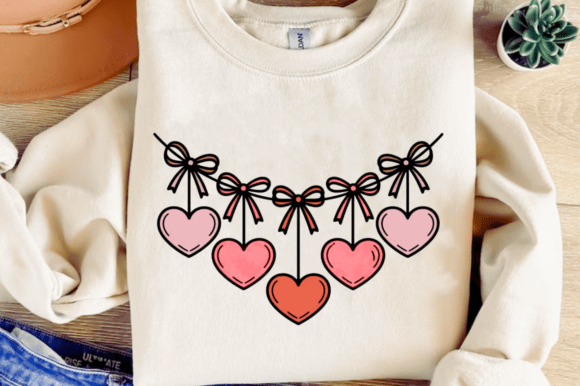
The aesthetic of this Valentine s Day Embroidery Clipart leans into the classic romantic themes we expect during the holiday season. The shapes are soft, inviting, and generally uncomplicated, which is a positive trait for visual recognition. In a real-world scenario, imagine you are preparing a custom tote bag design for a local boutique. You want something that catches the eye without overwhelming the fabric texture. These graphics offer a clean layout that works well for mockups. When I place them against a neutral background in my design software, the contrast is usually sufficient to gauge how they might look as a printed element on a personalized gift.
The mood created by these images is warm and affectionate, suitable for a wide range of applications from baby embroidery projects to adult sweatshirt embroidery. The simplicity of the lines means they do not compete with complex fabric textures. For an Etsy seller, this versatility is key. You can use the same graphic across different product lines, maintaining brand consistency while offering variety. Whether it is for a holiday embroidery promotion or a year-round romance-themed collection, the visual personality remains approachable and sweet.
Practical Application in Real Projects
Let us discuss how these files perform in actual production. Since these are raster images (PNGs) and not layered vectors, they are best utilized as reference images or for hybrid techniques. Consider a project where you are creating a custom apparel piece for a client. You might choose to print the central graphic using sublimation for vibrant color depth and then add a simple satin stitch border or text around it using your embroidery machine. This hybrid approach leverages the strength of the PNG format while adding the tactile value of embroidery.
However, caution is required when dealing with small details. If you attempt to auto-digitize these PNGs, the software may struggle with the lack of defined paths. This can lead to excessive stitch density in areas that should remain open, causing puckering on lightweight fabrics. For a tea towel or a thin cotton shirt, this could ruin the drape of the finished item. I always recommend using these graphics as a visual guide to manually trace and digitize your own machine embroidery design if you want full control over the running stitch and fill stitch placement. This ensures that the final embroidered patch or direct stitch-out looks crisp and professional.
Navigating Fabric and Hoop Constraints
One of the most common mistakes I see makers make is ignoring the relationship between image resolution and hoop size. Because these are not scalable vectors like SVGs, enlarging them beyond their original dimensions can result in pixelation. If you are working on a large pillow cover or a blanket, ensure the PNG resolution is high enough to maintain clarity. On curved surfaces like caps or hats, the distortion can be even more pronounced. I advise testing the design on scrap fabric first, especially if you are using a stabilizer that might shift during stitching.
Dark fabrics present another challenge. If you are sublimating these graphics, they typically require light-colored polyester materials. For dark garments, you would need a white underbase or a different printing method, which complicates the process. If you are using the graphic solely as a reference for embroidery, consider how your thread colors will contrast against the fabric. A low-contrast combination can make detailed elements disappear, reducing the perceived value of the finished product. Always check your design in black and white mockups to ensure the shapes remain distinct regardless of color choice.
Commercial Viability and Professional Standards
For small shop product creators and craft business owners, the licensing terms are as important as the design quality. The description notes that these are not SVG files and are not layered, which implies a simpler license structure often associated with print-on-demand or sublimation use. Before selling any commercial embroidery items featuring these designs, you must confirm whether the license allows for physical resale of stitched goods. Many clipart licenses permit personal use but restrict commercial application, or they may require an extended license for mass production.
Using high-quality printable mockup images derived from these graphics can enhance your online listings, helping customers visualize the final item. This boosts buyer engagement and trust. However, the perceived professionalism of your brand depends on the execution. A blurry or poorly stitched representation of these Valentine s Day Embroidery Clipart images can deter potential buyers. Invest time in refining your digitization or printing process. Ensure that any applique design elements are cut cleanly and that edges are secured properly to withstand washing.
Final Designer Notes
To get the most out of these assets, treat them as part of a broader toolkit rather than a standalone solution for machine embroidery. Here are my practical recommendations:
- Test on Scraps: Always run a test stitch-out on similar fabric to check for puckering or thread breaks.
- Check Resolution: Verify the DPI of the PNG files to ensure they are sharp enough for your intended hoop size.
- Manual Digitizing: If possible, trace the graphics manually in your embroidery software to control stitch density and direction.
- Contrast Check: Evaluate how the design looks on both light and dark backgrounds to plan your thread palette effectively.
- License Verification: Read the terms carefully to confirm if you can sell finished items like tote bags or caps commercially.
In conclusion, Valentine s Day Embroidery Clipart offers a charming visual foundation for holiday projects, particularly for those skilled in sublimation or hybrid crafting. While they are not ready-to-stitch embroidery files, they provide excellent inspiration and reference material for creating unique personalized gifts and small business merchandise. By understanding their limitations and leveraging their strengths, you can produce beautiful, marketable items that resonate with customers looking for heartfelt, handmade quality.